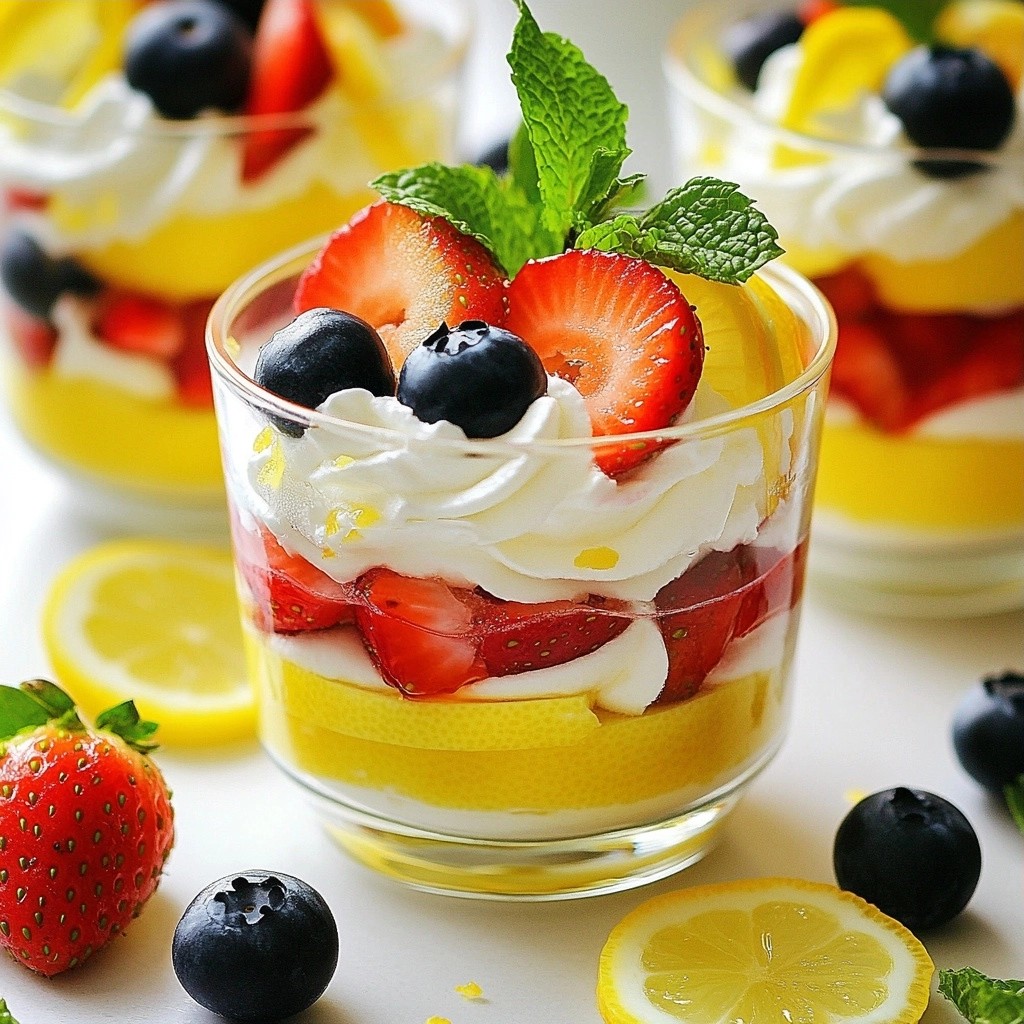
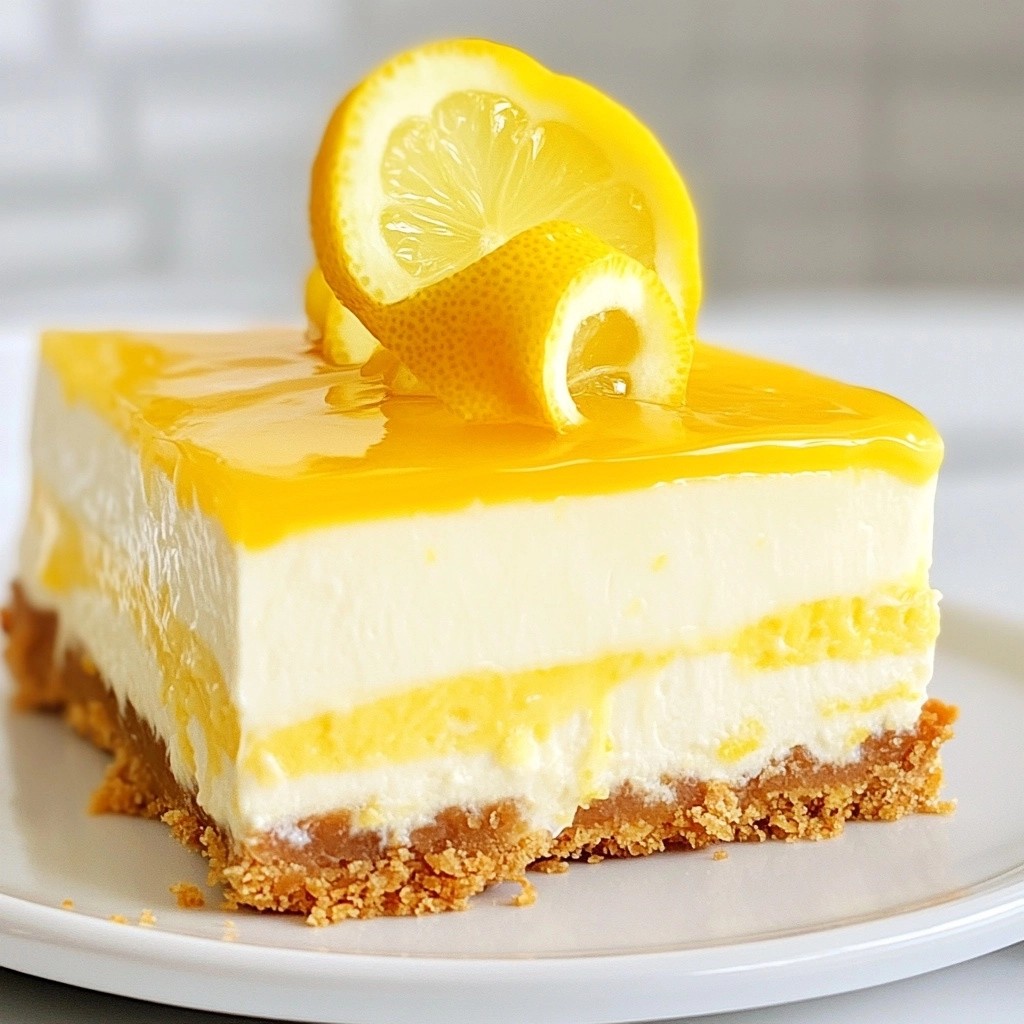
Are you ready to indulge in a guilt-free dessert? This Creamy Sugar-Free Lemon Cheesecake is perfect for satisfying your sweet cravings without the sugar. With just a few simple ingredients, you’ll learn how to whip up this delightful treat in no time. Join me in exploring easy steps, helpful tips, and tasty variations that will make this cheesecake a new favorite. Let’s get started on this delicious journey!
Why I Love This Recipe
- Healthy Indulgence: This cheesecake is sugar-free and made with wholesome ingredients, allowing you to enjoy a delicious dessert without the guilt.
- Rich Flavor: The combination of cream cheese, Greek yogurt, and fresh lemon juice creates a creamy, tangy filling that is simply irresistible.
- Simple Preparation: With straightforward steps and easy-to-find ingredients, this recipe is perfect for bakers of all skill levels.
- Perfect for Any Occasion: This cheesecake is versatile enough to serve at gatherings, celebrations, or just as a treat for yourself any day of the week!
Ingredients
Essential Ingredients for the Crust
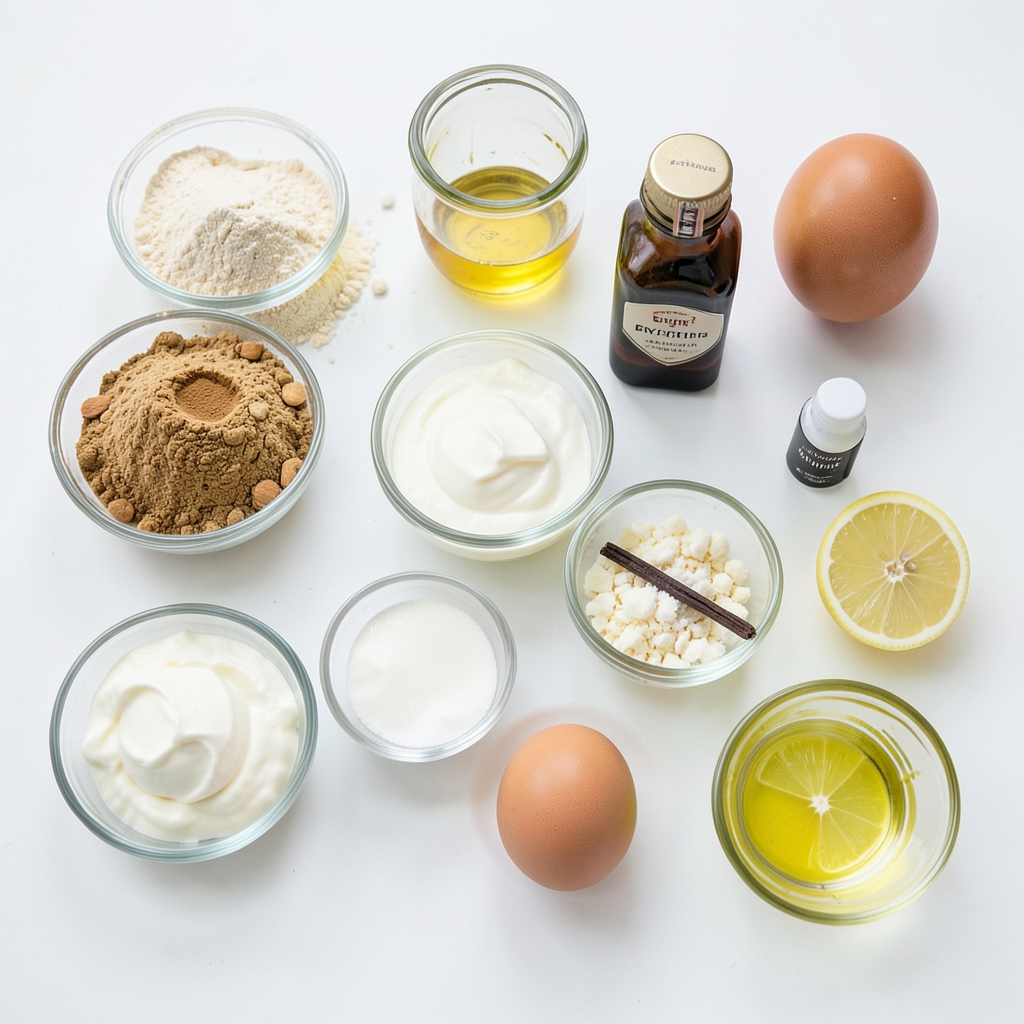
For a tasty crust, gather these simple items:
- 2 cups almond flour
- 1/4 cup melted coconut oil
- 2 tablespoons erythritol (or another sugar substitute)
- 1 teaspoon vanilla extract
These ingredients work together to create a nutty and flavorful base. Almond flour gives a great texture while coconut oil adds a rich taste. Erythritol keeps it sugar-free, and vanilla rounds out the flavor.
Ingredients for the Cream Cheese Filling
The filling is the star of this cheesecake. You will need:
- 3 packages (8 oz each) cream cheese, softened
- 1/2 cup plain Greek yogurt
- 1/2 cup erythritol (for filling)
- Zest of 1 lemon (about 1 tablespoon)
- 1/4 cup fresh lemon juice (about 2 lemons)
- 3 large eggs, at room temperature
Cream cheese provides a creamy texture. Greek yogurt adds tanginess and helps make it lighter. The lemon zest and juice give it a bright flavor, while eggs help set the filling as it bakes.
Optional Ingredients for Added Flavor
For extra flavor, consider these options:
- 1 teaspoon lemon extract
Adding lemon extract can boost the lemon taste. It’s perfect for those who love a strong citrus flavor. Feel free to skip it if you prefer a milder taste.
Step-by-Step Instructions
Preheating the Oven
To start, set your oven to 325°F (163°C). This temperature helps the cheesecake bake evenly. Allow the oven to preheat while you make the crust and filling. This step is key for a creamy texture.
Making the Crust
In a bowl, mix these ingredients:
- 2 cups almond flour
- 1/4 cup melted coconut oil
- 2 tablespoons erythritol
- 1 teaspoon vanilla extract
Use your hands or a spatula to form a dough. Press this dough firmly into the bottom of a 9-inch springform pan. Bake it for about 10 minutes. The crust should turn lightly golden. Let it cool while you work on the filling.
Preparing the Cream Cheese Filling
In a large bowl, beat three packages of softened cream cheese until smooth. Make sure there are no lumps. Next, add 1/2 cup plain Greek yogurt and 1/2 cup erythritol. Mix this on low speed until creamy.
Now, add the zest of one lemon and 1/4 cup of fresh lemon juice. You can also include lemon extract if you like more lemon flavor. Mix until smooth and well combined.
Baking and Cooling the Cheesecake
Carefully add three large eggs, one at a time. Mix slowly after each egg to keep the cheesecake light. Pour the creamy filling over the cooled crust. Use a spatula to smooth the top.
Place the springform pan in the center of the oven. Bake for 50 to 60 minutes. The center should be set but still jiggle slightly. Once done, turn off the oven and crack the door open. Let the cheesecake cool for 1 hour inside. After that, refrigerate it for at least 4 hours or overnight to set.
When ready, remove the cheesecake from the pan. Slice it into 12 pieces and serve chilled. You can add a twist of lemon peel or some sugar-free whipped cream on top for a nice touch.
Tips & Tricks
Achieving the Perfect Creamy Texture
To get that smooth and creamy texture, start with room-temperature cream cheese. Cold cream cheese will not mix well. Use an electric mixer to beat it until there are no lumps. This step is key. When you add Greek yogurt and sweetener, mix on low. This keeps the texture light and fluffy.
Best Practices for Mixing Ingredients
Mix the filling gently. After adding the eggs, mix just until combined. Overmixing can create air bubbles. This may lead to cracks in your cheesecake. Always scrape down the sides of the bowl to ensure even mixing.
Common Mistakes to Avoid
Do not skip the chilling step. Chilling helps the cheesecake set and enhances flavor. Avoid using too much lemon juice at once. This can make the filling too runny. Finally, watch your baking time. If you overbake, your cheesecake can become dry. Aim for a slight jiggle in the center.
Pro Tips
- Use Room Temperature Ingredients: Allow all your dairy ingredients, especially cream cheese and eggs, to reach room temperature before mixing. This helps achieve a creamier texture and prevents lumps in the filling.
- Don't Overbake: Keep an eye on your cheesecake while baking. It should have a slight jiggle in the center when you take it out. Overbaking can lead to a dry texture.
- Chill Thoroughly: For the best texture and flavor, allow your cheesecake to chill in the refrigerator for at least 4 hours or overnight. This helps it set properly and enhances the lemon flavor.
- Garnish Wisely: For a beautiful presentation, consider garnishing each slice with a twist of lemon peel or a dollop of sugar-free whipped cream. This adds a fresh touch and elevates the dessert's visual appeal.
Variations
Alternative Sweeteners for Your Cheesecake
You can use many sweeteners in this cheesecake. Erythritol is a popular choice. It adds sweetness without calories. You can also try stevia or monk fruit. Both offer a sweet taste. Just make sure to adjust the amount based on the sweetener's strength. Remember, some sweeteners may change the texture. Test different options to find your favorite.
Flavor Variations: Berry or Chocolate Swirl
Want to switch up the flavor? Add a berry or chocolate swirl! For a berry twist, use pureed strawberries, blueberries, or raspberries. Swirl this into the cream cheese mix before baking. For a chocolate version, add cocoa powder or melted dark chocolate. Just mix it in and swirl gently. Both options make this cheesecake even more fun!
Gluten-Free or Dairy-Free Adaptations
If you need gluten-free options, almond flour works great for the crust. For a dairy-free cheesecake, use a dairy-free cream cheese. Coconut cream can also replace Greek yogurt. This way, you can enjoy a rich, creamy texture. Always check labels for hidden ingredients. These swaps let everyone enjoy this tasty treat!
Storage Info
How to Store Leftover Cheesecake
Store leftover cheesecake in the fridge. Use an airtight container to keep it fresh. Wrap the cheesecake tightly with plastic wrap if you have no container. This will help prevent it from drying out. It can stay in the fridge for up to one week. Always check for any signs of spoilage before eating.
Freezing Instructions for Long-Term Storage
You can freeze your cheesecake for longer storage. First, let it cool completely in the fridge. Then, wrap individual slices in plastic wrap. Place the wrapped slices in a freezer-safe bag or container. This way, it will keep for up to three months. Label the bag with the date, so you know when to enjoy it.
How to Thaw and Serve Chilled
To thaw your cheesecake, move it from the freezer to the fridge. Let it thaw overnight for best results. If you need it faster, you can leave it at room temperature for about 2 hours. After thawing, serve the cheesecake chilled. It tastes great when cold! Add a twist of lemon or whipped cream for a nice touch.
FAQs
Can I use other sweeteners instead of erythritol?
Yes, you can use other sweeteners. Stevia or monk fruit work well. Adjust the amount based on sweetness level. Always taste as you go. Each sweetener has its own flavor.
How do I know when the cheesecake is done baking?
Check for a slight jiggle in the center. The edges should be set and firm. A toothpick inserted should come out clean. Remember, it will firm up as it cools.
Can I use different types of cheese?
You can use mascarpone or ricotta cheese. They will change the texture slightly. Cream cheese gives the best classic flavor. Feel free to mix cheeses for taste.
How long can the cheesecake stay in the fridge?
The cheesecake will last up to one week in the fridge. Keep it covered to stay fresh. I recommend enjoying it within a few days for the best flavor.
You now have all the tools to create a delicious cheesecake. We covered the essential ingredients for both the crust and filling. I shared step-by-step instructions to guide your baking, along with tips for a creamy texture. You also learned tasty variations and storage tips.
In summary, baking cheesecake can be fun and rewarding. With these guidelines, you can impress everyone with your skills. Enjoy the process and savor your creation!