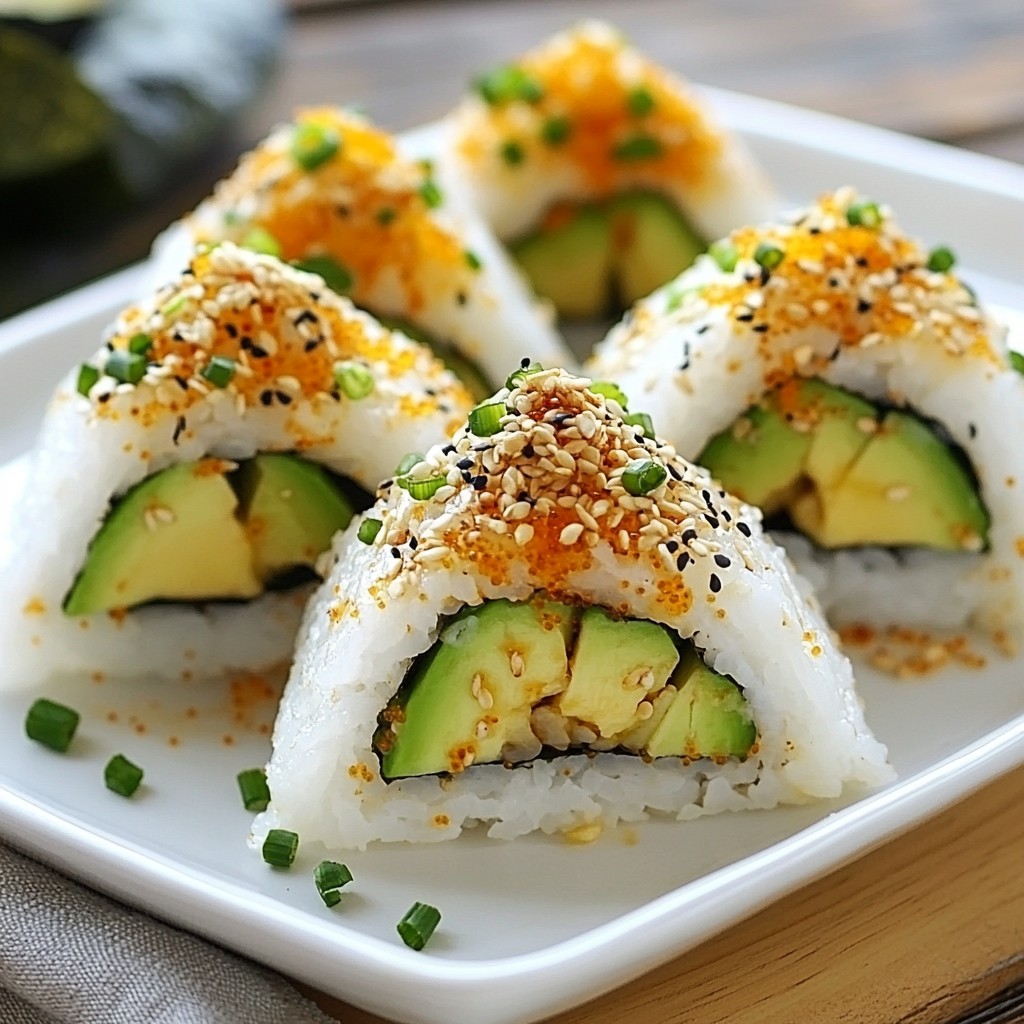
Craving a quick and tasty meal? Try my Spicy Tuna Avocado Onigiri! This easy recipe combines sushi rice, creamy avocado, and zesty tuna for a perfect bite. Whether you're a busy parent or a student, these onigiri can satisfy your hunger in no time. Ready to impress your family or friends with something unique? Let’s get started and dive into the fun world of making these delicious bites!
Why I Love This Recipe
- Delicious Flavor Combination: The blend of creamy avocado and spicy tuna creates a delightful taste that is both satisfying and refreshing.
- Customizable Spice Level: Adjust the amount of sriracha to suit your personal preference, making it perfect for spice lovers and mild eaters alike.
- Fun to Make: Shaping onigiri is a fun and interactive cooking experience, perfect for involving family or friends in the kitchen.
- Perfect for Meal Prep: These onigiri are easy to make ahead of time and make for a great grab-and-go lunch or snack option.
Ingredients
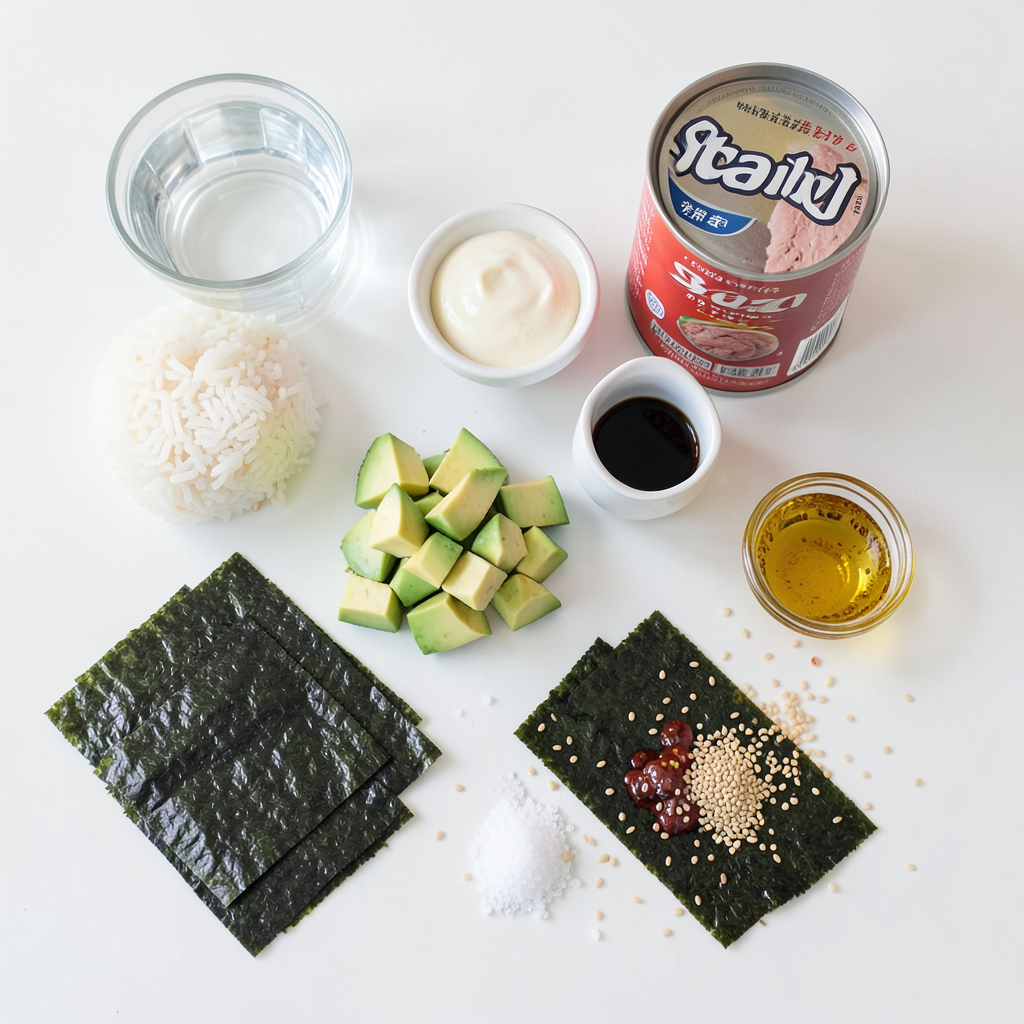
Main Ingredients for Spicy Tuna Avocado Onigiri
- 2 cups sushi rice
- 2 ½ cups water
- 1 can (5 oz) tuna in water, drained
- 1 ripe avocado, diced
Additional Ingredients
- 2 tablespoons mayonnaise (preferably Japanese mayo for creaminess)
- 1 tablespoon sriracha (adjust for desired spice level)
- 1 teaspoon soy sauce
- 1 teaspoon sesame oil
Optional Garnishes
- Nori strips
- Sesame seeds
- Salt
Sushi rice is the base of this dish. It gives the onigiri its sticky texture. You need to rinse it well to get rid of extra starch. This step is key to fluffy rice.
Next, canned tuna is the star filling. It’s convenient and packed with flavor. I like to use good-quality tuna. This makes a big difference in taste.
A ripe avocado adds creaminess. Its mild flavor balances the spice from the sriracha. Make sure your avocado is soft enough to mash easily.
For the extras, Japanese mayo gives a nice richness. Sriracha adds heat, but you can adjust it to your taste. Soy sauce and sesame oil bring umami and depth.
To finish, nori strips can wrap your onigiri. They add a nice crunch and a salty flavor. Sesame seeds are a great garnish. They add a nutty taste and look pretty too. Salt is important to enhance all the flavors.
These ingredients come together to create a tasty and quick meal. Enjoy mixing them to suit your taste!
Step-by-Step Instructions
Preparing the Sushi Rice
Rinsing the Rice: Start by rinsing 2 cups of sushi rice under cold water. This step removes excess starch. Keep rinsing until the water runs clear. This ensures fluffy rice.
Cooking Methods (Rice Cooker vs. Saucepan): You can cook sushi rice in two ways. If you have a rice cooker, add the rinsed rice and 2.5 cups of water. Follow the cooker’s instructions. If using a saucepan, bring the rice and water to a gentle boil. Then, lower the heat. Cover and simmer for about 20 minutes. Make sure all the water is absorbed. When done, fluff the rice with a fork and let it cool slightly.
Making the Spicy Tuna Mixture
Combining Ingredients: In a bowl, mix the drained tuna, diced avocado, 2 tablespoons of mayonnaise, 1 tablespoon of sriracha, 1 teaspoon of soy sauce, and 1 teaspoon of sesame oil. Use a fork to gently combine everything.
Adjusting Flavor Profile: Taste the mixture. If you want it saltier, add a pinch of salt. For more spice, add more sriracha. Adjust until it tastes just right for you.
Shaping the Onigiri
Wetting Hands to Prevent Sticking: Before you shape the onigiri, wet your hands with water. This keeps the rice from sticking to your skin.
Forming the Rice Cup: Take a handful of sushi rice, about ¾ cup. Flatten it slightly in your palm. You want to create a small cup shape.
Final Assembly
Adding the Filling: Spoon about 1 tablespoon of the spicy tuna mixture into the center of the flattened rice cup.
Shaping Techniques (Triangle or other shapes): Gently fold the rice over the filling. Pinch and shape it into a triangle or any shape you like. Make sure the filling stays sealed inside. Keep going until you use up all the rice and filling.
Enjoy your tasty Spicy Tuna Avocado Onigiri!
Tips & Tricks
Achieving Perfectly Cooked Sushi Rice
To make great sushi rice, avoid common mistakes. Rinsing the rice is key. Wash it under cold water until it runs clear. This removes excess starch. Too much starch makes the rice sticky and gummy. Use the right water-to-rice ratio. For sushi rice, use 2 ½ cups of water for every 2 cups of rice. Cook it in a rice cooker or on the stove until tender. Let it cool slightly before using.
Enhance the flavor by adding a pinch of salt while cooking. You can mix in a splash of rice vinegar after cooking. This gives the rice a nice tang.
Customizing the Spicy Tuna Mixture
Adjust the spice levels to fit your taste. If you want it milder, use less sriracha. Start with one teaspoon and add more as needed. You can also replace sriracha with a milder sauce if you prefer.
For substitutions, consider using canned salmon or even crab. You can swap avocado for diced cucumber for a fresh twist. These options keep the recipe fun and exciting.
Presentation Tips
When plating, arrange the onigiri neatly on a serving plate. You can drizzle a bit of sesame oil on top. This adds flavor and a nice shine.
For visual appeal, garnish with sesame seeds. They add a lovely crunch. Nori strips can serve as a side. Each person can wrap their onigiri before eating. This makes it interactive and fun!
Pro Tips
- Use Day-Old Rice: For the best texture, use rice that has been cooked and cooled the day before. This helps the rice firm up, making it easier to shape the onigiri.
- Adjust Spice Levels: Feel free to customize the spice level of your spicy tuna mixture by adding more or less sriracha according to your taste preference.
- Wet Your Hands: Always wet your hands before handling sushi rice to prevent it from sticking. This makes shaping the onigiri much easier and cleaner.
- Experiment with Fillings: While spicy tuna and avocado are delicious, don’t hesitate to experiment with other fillings like pickled vegetables or grilled chicken for variety.
Variations
Alternative Fillings
You can change the filling in onigiri to match your taste. Instead of tuna, try these options:
- Different Proteins: Use salmon or crab for a new flavor. Both add a rich taste and pair well with avocado. You can also try cooked shrimp for a fresh twist.
- Vegan Options: If you prefer plant-based foods, use tofu or seitan. Both provide a good texture and absorb flavors well. You can marinate them in soy sauce for extra taste.
Flavor Profile Adjustments
Adding different sauces or seasonings can change the flavor of your onigiri:
- Different Sauces: Swap sriracha for another hot sauce like kimchi sauce. You can also use a tangy ponzu sauce for a zesty kick.
- Incorporating Additional Vegetables: Mix in veggies like cucumber or carrots. They add crunch and freshness. Chopped scallions also bring a nice onion flavor.
Onigiri Shapes and Sizes
You can have fun with the shape and size of your onigiri:
- Sushi Balls vs. Traditional Triangles: While triangles are classic, you can form sushi balls for a fun change. They are easy to share and eat.
- Mini Onigiri for Snacks: Make mini onigiri for a quick snack. They are great for lunch boxes or parties. Just use smaller portions of rice and filling.
Storage Info
Storing Leftover Onigiri
- Refrigeration Tips: Wrap leftover onigiri tightly in plastic wrap. This helps keep them moist. Store them in an airtight container. They can last up to 2 days in the fridge.
- Freezing Options: If you want to keep them longer, freeze the onigiri. Wrap each one in plastic wrap, then place them in a freezer bag. They stay fresh for about a month.
Best Practices for Freshness
- Reheating Instructions: To reheat, remove the plastic wrap. Microwave on low for about 20-30 seconds. Check for warmth before eating. You can also enjoy them cold.
- Preventing the Rice from Drying Out: To keep rice moist, always wrap your onigiri well. A damp paper towel in the container helps too. This keeps the rice soft and tasty.
Shelf Life Considerations
- Duration for Best Quality: For the best taste, eat onigiri within 2 days when stored in the fridge. Frozen onigiri are best if eaten within a month.
- Signs of Spoilage to Watch For: Look for dry or hard rice. If the filling smells bad or looks off, it’s best to throw it away. Fresh onigiri should smell pleasant and look bright.
FAQs
What is Onigiri?
Onigiri is a Japanese rice ball. It is often shaped into triangles or rounds. Onigiri is filled with various ingredients, like fish or vegetables. This dish holds cultural value in Japan. It symbolizes comfort and home. People enjoy onigiri as a snack or meal. You can find it in bento boxes or convenience stores. Making onigiri is simple and fun. It lets you be creative with flavors and shapes.
Can I use brown rice instead of sushi rice?
Yes, you can use brown rice! Brown rice is healthier and has more fiber. It has a nutty flavor that some people enjoy. However, it is chewier than sushi rice. Sushi rice is stickier, which helps hold onigiri together. Using brown rice may change the texture. If you choose brown rice, rinse it well. Adjust cooking times since brown rice takes longer to cook.
How do I make Onigiri without nori?
If you don’t have nori, there are great options. You can serve onigiri without wrapping it. Try placing onigiri in a bowl with soy sauce for dipping. You can also use lettuce leaves to wrap them. For a crunchy twist, add crushed rice crackers on top. These ideas keep the meal light and tasty.
Is this recipe suitable for meal prep?
Absolutely! Onigiri is perfect for meal prep. You can prepare them in advance and store them in the fridge. Just keep them in an airtight container. They stay fresh for a few days. For longer storage, freeze them. When you want to eat, thaw and enjoy. They make quick snacks or lunches!
How can I make this recipe less spicy?
To reduce spice, use less sriracha in the mix. Start with just a teaspoon. You can also add more mayonnaise to balance the heat. If you want a milder flavor, skip sriracha altogether. Instead, use a bit of sweet soy sauce or teriyaki sauce. This gives a nice taste without the spice.
To sum up, we've explored how to make delicious Spicy Tuna Avocado Onigiri. You’ve learned about the key ingredients like sushi rice, canned tuna, and avocado. We covered step-by-step instructions, helpful tips, and creative variations. Now, you have the tools to customize this dish to your taste. Enjoy making onigiri that impresses your friends and family while also having a fun cooking experience. Your journey into the world of onigiri starts here!